






To address severe supply chain bottlenecks in West Africa’s horticultural sector, sustainable cooling solutions provider Faspol Africa (affiliated with Poland’s Faspol Group) has signed a memorandum of understanding with Guinea’s Ministry of Agriculture.
The strategic partnership is aimed at exploring comprehensive upgrades to the country’s mango-preservation infrastructure, directly targeting the massive post-harvest wastage that currently cripples the local export economy.
Timeline and Scope of the Feasibility Studies
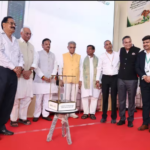
Signed on 22 October, the agreement calls for technical feasibility studies to officially begin in November 2026. Managed by Faspol Africa and state agricultural teams, these studies will focus on three core infrastructural priorities:
- Identifying Priority Production Areas: Mapping out the high-yield mango hubs requiring immediate cold chain intervention.
- Assessing Capacity Requirements: Determining the exact scale of cold storage, refrigeration, and preservation facilities needed to stabilize supply.
- Strengthening Local Expertise: Building and improving technical skills among local Guinean industry operators to manage modern cooling networks.
Note: At this stage, the Ministry of Agriculture has not disclosed the project’s final estimated cost, planned refrigeration capacity, or specific financing arrangements.
The Reality of Guinea’s Post-Harvest Waste Crisis
The deployment of modern cold storage infrastructure addresses a critical vulnerability in Guinea’s agricultural framework. Inadequate storage facilities, weak energy and logistics infrastructure, and deteriorating road conditions create an environment of extreme supply chain loss:
- General Produce Attrition: Data published by Guinea’s Ministry of Planning in July 2026 put post-harvest losses for roots, tubers, fruits, and vegetables at 40% to 50%.
- The Mango Bottleneck: A 2021 publication by the Enhanced Integrated Framework (a World Trade Organization-associated partnership programme) estimated post-harvest losses for mangoes in Guinea at an alarming 60% to 85%, depending on the producing region.
For a mango exporter, losses at that level mean that most harvested fruit never reaches a buyer, compressing revenue and severely limiting the volume available for international export contracts.
Analyzing Faspol Africa’s Regional Track Record
While this agreement marks a major entry into West African horticulture, Faspol Africa’s historical operational track record across the continent has focused primarily on dairy and fisheries:
- Rwanda (2023): Secured a contract to supply 385 milk-cooling installations to collection centers, financed by a €22.6 million (US$26.4 million) buyer’s credit from Poland’s state-owned development bank, BGK, to Rwanda’s Treasury.
- Kenya (2016): Supplied 350 milk-cooling installations executed between 2017 and 2020 under a Poland-Kenya economic cooperation framework.
- Ghana (2015): Delivered its first African contract by supplying an ice production plant for Thai Union’s tuna processing facility in Tema.
Critical Engineering and Financing Variables
This background matters because mango cold storage differs significantly from milk cooling, which demands higher throughput, shorter holding periods, and greater sensitivity to temperature fluctuations. Therefore, the upcoming technical feasibility studies must assess whether Faspol’s existing equipment and operating model can scale effectively to fresh produce.
Lastly, the financing structure will determine long-term commercial viability, as Faspol Africa’s highly successful Rwanda model relied heavily on a state-backed buyer’s credit rather than on conventional commercial lending.