






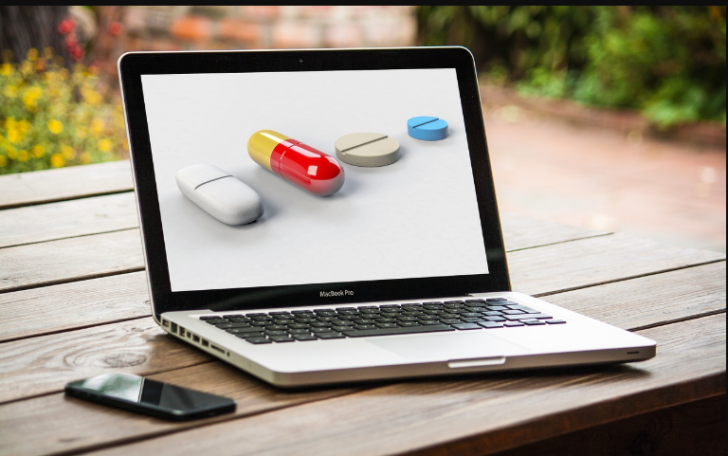
You have a demanding job, a busy schedule and very little time to spend in a hospital waiting room. Your doctor is miles away, but you can book a virtual consultation, describe your symptoms, receive medical advice and, in some cases, have a prescription sent to a pharmacy without leaving home.
Can You Really Manage Your Health Remotely? The Promise and Limits of Telemedicine
For professionals juggling work, family and other responsibilities, this sounds like a practical solution.
But can a video consultation really replace a hospital visit? Can a doctor accurately assess a patient without a physical examination? What happens when symptoms require laboratory tests, imaging or emergency treatment?
Remote healthcare has expanded the possibilities for accessing medical services. Yet there is a difference between using technology to make healthcare more accessible and assuming that every health problem can be managed from a smartphone.
The real question is not whether healthcare can be delivered remotely. It is which aspects of healthcare can be managed remotely, for whom, and under what conditions?
1. Routine consultations can happen without a hospital visit
Not every health concern requires someone to sit in a waiting room.
A remote consultation can be useful when a patient needs to discuss symptoms, receive professional guidance, review test results, obtain follow-up advice or discuss an existing treatment plan.
For example, a professional who has already been diagnosed with hypertension may be able to discuss home blood-pressure readings with their doctor through a virtual appointment.
Someone experiencing recurring but non-emergency symptoms may also use a remote consultation to establish whether further investigation is necessary.
The advantage is convenience. Patients can access healthcare professionals without necessarily losing several hours to commuting and waiting.
The World Health Organization’s telemedicine recommendations recognise this potential to reduce travel burdens, particularly for people with work responsibilities or those living far from health facilities. However, WHO recommends that remote consultations complement rather than replace face-to-face healthcare, and that patient safety, privacy and accountability are properly protected.
That distinction is fundamental: remote healthcare can make access easier without making physical healthcare obsolete.
2. Chronic conditions can benefit from remote monitoring
One of the most promising applications of remote healthcare is the management of certain long-term conditions.
People living with conditions such as hypertension or diabetes may need regular monitoring, medication reviews, lifestyle guidance and continuing communication with healthcare professionals.
Some of this can happen remotely.
Depending on the condition and clinical plan, patients may use home blood-pressure monitors, glucose monitoring devices, digital health records or mobile applications to share information with their healthcare teams.
The doctor can review the information, identify concerning patterns and determine whether treatment adjustments or an in-person assessment are necessary.
A 2024 systematic review published in npj Digital Medicine examined 29 studies across 16 countries on remote patient monitoring.
The review found positive outcomes in patient safety and adherence to treatment. It also identified improvements in mobility and functional status, although evidence concerning some other clinical and quality-of-life outcomes remained inconclusive.
This is an important qualification. Remote monitoring is not automatically effective simply because a patient has downloaded an application or purchased a smart device.
It works best when measurements are reliable, patients understand how to use the equipment, and qualified professionals actually review the information and respond when necessary.
3. Remote healthcare can improve access, but it cannot remove every barrier
For professionals in Lagos, the attraction of telemedicine is easy to understand.
A virtual consultation can eliminate a journey through traffic, reduce time away from work and make it easier to speak with a healthcare professional.
The same advantage applies to people living in areas where specialist healthcare services are less accessible.
However, Nigeria faces practical challenges that can affect whether remote healthcare works as intended.
A 2025 systematic review published in PLOS Digital Health, titled Barriers and Facilitators of Provision of Telemedicine in Nigeria, examined 29 studies.
It identified several barriers, including:
- Poor internet connectivity.
- Unreliable electricity supply.
- Limited technical expertise among healthcare professionals.
- Weak organisational policies.
- Inadequate regulatory structures.
- Data security and technology-related concerns.
The review also identified training, internet accessibility and the use of simpler digital communication systems as important facilitators.
This tells us something important about Nigeria’s digital healthcare opportunity.
A telemedicine service cannot be judged only by the quality of its application. It must also work within the realities of the people expected to use it.
A patient with an unreliable internet connection, limited digital literacy or no access to suitable monitoring equipment may not enjoy the same benefits as someone with stable connectivity and the necessary resources.
4. A video consultation cannot always replace a physical examination
This is where the limitations of remote healthcare become particularly important.
A doctor may be able to discuss symptoms, review medical history and observe certain visible signs through a video call.
But there are things that cannot be adequately assessed through a screen.
A physical examination may require the healthcare professional to:
- Listen to the patient’s heart or lungs.
- Examine an injured body part.
- Palpate the abdomen.
- Conduct neurological assessments.
- Measure vital signs using appropriate clinical equipment.
- Carry out diagnostic procedures.
Some conditions also require laboratory investigations, ultrasound scans, X-rays or other forms of imaging.
A patient complaining of persistent abdominal pain, for instance, may need a physical examination and diagnostic investigations before a reliable diagnosis can be made.
The World Medical Association’s guidance on telehealth recognises that face-to-face consultations may be preferable in circumstances where physical examination, non-verbal cues or communication requirements make remote assessment less suitable. The World Medical Association
The responsible telemedicine provider should therefore know when a virtual consultation is insufficient and arrange an appropriate physical assessment.
A remote consultation should never become a reason to delay necessary medical attention.
5. Mental healthcare is another area where remote services can help
Mental healthcare is not limited to prescribing medication or conducting physical examinations.
It often involves conversations, assessment, ongoing support and structured therapeutic interventions.
For some people, speaking with a qualified mental health professional remotely may feel more accessible than attending a physical facility.
It can also help people who live far from specialist services or have difficulty attending regular appointments.
However, remote mental healthcare still requires professional standards, confidentiality, appropriate clinical assessment and a plan for responding to emergencies.
The technology does not eliminate the need for a qualified professional or an appropriate care environment.
It simply provides another way for that professional relationship to take place.
6. Your health information needs protection
Remote healthcare involves sharing personal information through digital systems.
This may include medical history, symptoms, test results, prescriptions, photographs, laboratory reports and other sensitive information.
Consequently, the question should not only be whether a telemedicine platform is convenient.
It should also be whether it protects the information entrusted to it.
Before using a digital healthcare service, consider:
- Who operates the platform?
- Are consultations conducted by appropriately qualified and licensed healthcare professionals?
- How is patient information collected and stored?
- Who can access medical records?
- Does the provider explain its privacy and data-protection practices?
- Is there a clear process for complaints and follow-up care?
Nigeria’s National Health Act 2014 and Nigeria Data Protection Act 2023 form part of the wider legal environment relevant to healthcare delivery and the handling of personal information. Professional licensing and medical ethics requirements also remain relevant to remote consultations.
The Federal Ministry of Health and Social Welfare identifies e-health and telemedicine as part of its health-sector programmes, including online consultations, virtual clinics and home-monitoring systems. Its stated programme objectives include developing national policy and regulatory guidance for e-health delivery.
A polished application or attractive website should never be treated as proof that a healthcare provider is legitimate or that its services are clinically appropriate.
7. Remote healthcare must have a physical healthcare network behind it
This may be the most important consideration of all.
A patient may begin with a virtual consultation, but what happens if the doctor recommends a blood test?
What happens if an X-ray is necessary?
Where does the patient go if the condition requires specialist attention or hospital admission?
A good telemedicine service should have a clear process for referring patients to physical healthcare facilities when necessary.
It should also explain how test results are reviewed, how prescriptions are handled, how follow-up appointments are arranged and what happens when a patient’s condition deteriorates.
This is why telemedicine should be understood as part of a healthcare system, not simply a technology product.
A 2026 systematic review of 22 studies examining telemedicine in primary healthcare found that remote interventions were associated with improved access, reduced waiting times and better care coordination in several settings. It also found that effectiveness depended heavily on integration with existing healthcare teams and information systems. The certainty of evidence ranged from low to moderate.
The finding reinforces an important point: technology delivers greater value when it connects people to a functioning healthcare system.
8. How should a busy professional use remote healthcare responsibly?
The objective is not to replace every hospital visit with a video call. It is to use remote services where they are clinically appropriate.
A sensible approach might look like this:
| Healthcare need | Possible remote-care role |
|---|---|
| Routine follow-up | Discuss progress and treatment response |
| Review of laboratory results | Explain findings and determine next steps |
| Certain minor, non-emergency concerns | Initial clinical assessment and guidance |
| Chronic-condition management | Review home measurements and treatment adherence |
| Mental health support | Remote consultations and appropriate therapy |
| Medication review | Discuss effectiveness, side effects and adjustments |
| Emergency symptoms | Seek immediate emergency medical attention |
Remote consultations are not appropriate for every complaint. Symptoms such as severe chest pain, difficulty breathing, signs of stroke, severe bleeding, loss of consciousness or other potentially life-threatening conditions require urgent in-person emergency care. Do not wait for a virtual appointment.
Before booking a remote consultation, also prepare:
- A clear description of your symptoms and when they started.
- Your current medications and relevant medical history.
- Recent test results, if available.
- Any home measurements requested by your healthcare provider.
- Questions you want answered during the appointment.
This helps make the consultation more productive.
THE LION TAKE
The future of healthcare is not necessarily a choice between the hospital and the smartphone.
It is increasingly about connecting the two.
Remote healthcare can make consultations more convenient, support chronic-condition management, reduce unnecessary travel and improve access to professional medical advice.
But it has limitations. A video call cannot perform every physical examination. An application cannot independently replace clinical judgement. A monitoring device is only useful when its readings are reliable and someone qualified knows what to do with the information.
For Nigerian professionals, the opportunity is to use telemedicine intelligently: as an additional route to healthcare, not an excuse to avoid necessary medical attention.
And for healthcare providers, the real competitive advantage will not simply be offering consultations online. It will be delivering safe, coordinated and dependable care that continues when the video call ends.
Because managing your health remotely should not mean managing it alone.